

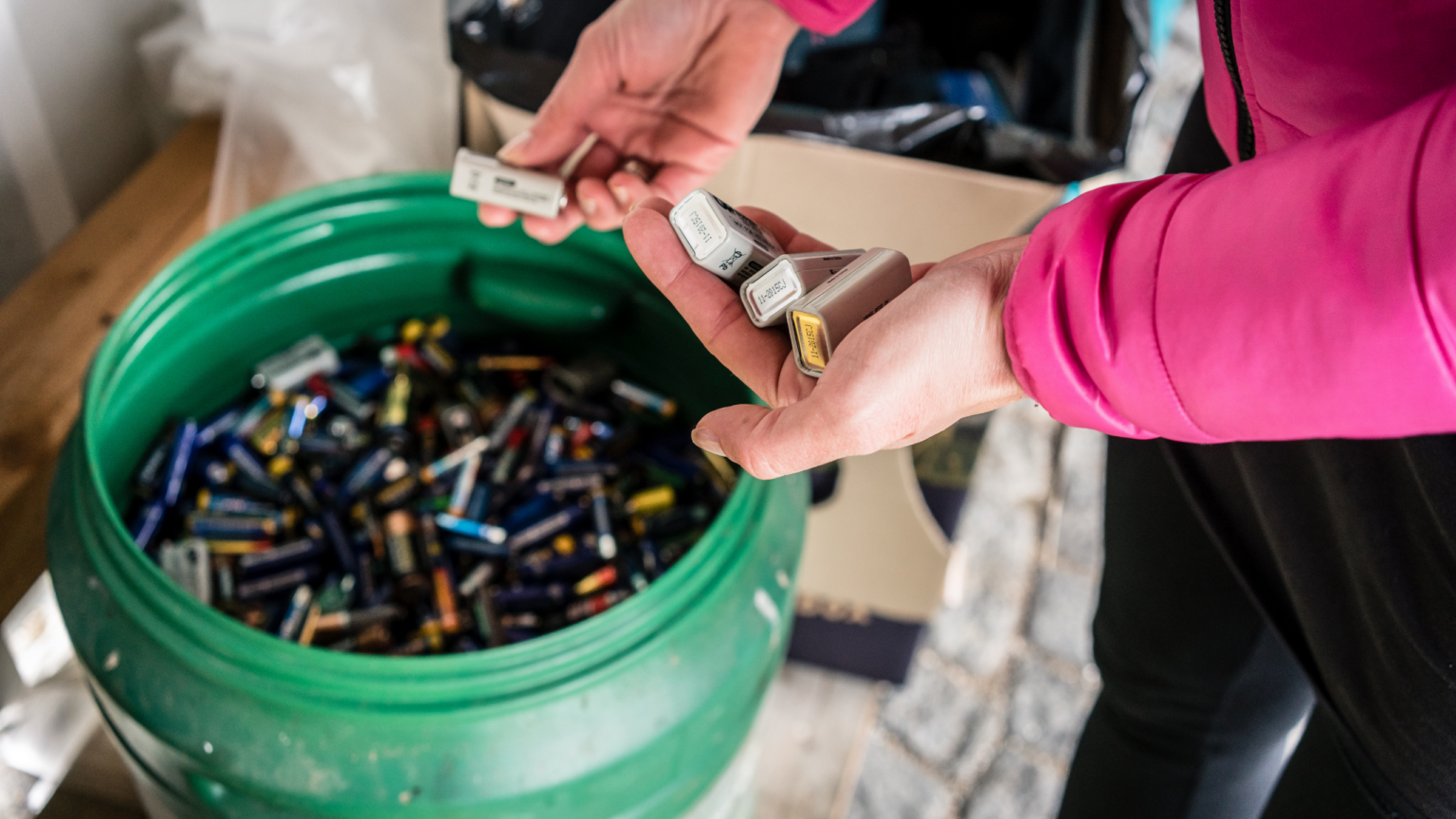
How the EU’s revised Waste Shipment Regulation changes cross-border Li-ion battery waste notifications, what Basel classification applies, and why treatment facility capacity is the real constraint operators face this year.
- Li-ion batteries classified for treatment or recycling outside the EU are now subject to DIWASS notification under EU Regulation 2024/1157, in force from 21 May 2026. Paper-based PIC procedures are no longer valid.
- Most Li-ion battery waste destined for cross-border treatment is classified as hazardous waste under the Basel Convention, placing it within the notified shipment category and requiring digital prior informed consent through DIWASS.
- The practical constraint in 2026 is not classification. Operators know their batteries are regulated. The constraint is licensed treatment facility capacity EV and industrial battery end-of-life volumes are accumulating faster than processing capacity is being built.
- A second enforcement deadline on 21 November 2026 tightens the export framework: all EU plastic waste exports to non-OECD countries are banned, establishing a broader precedent for tighter restrictions on material exports to informal processing destinations.
- Battery waste export to non-OECD destinations for informal processing is already non-compliant under Basel. After November 2026, the enforcement architecture around all waste exports from EU to non-OECD tightens further.
- TransFrontier Shipments (TFS) conducts pre-shipment facility assessments to confirm treatment acceptance windows and permit validity before DIWASS notification begins.
| 21 May 2026 EU Regulation 2024/1157 entered full application all notified cross-border waste shipments, including Li-ion battery waste for treatment, now require digital PIC submission through DIWASS. Paper-based procedures are invalid.
Source: EU Reg 2024/1157, Official Journal of the EU |
EU Battery Regulation (EU) 2023/1542 requires collection rates of 73% for EV batteries by 2030 and 80% for portable batteries by 2031 creating structured end-of-life volumes that need compliant cross-border treatment routes at scale
Source: EU Regulation 2023/1542, Article 59 |
Y26 and Y3 are the primary Basel Convention waste categories applicable to Li-ion batteries containing cadmium and lithium compounds lassification determines whether a shipment falls under the notified procedure requiring DIWASS prior informed consent
Source: Basel Convention Annex I |
|---|
How EU Reg 2024/1157 Changes Li-ion Battery Waste Exports
EU Regulation 2024/1157 entered full application on 21 May 2026. For operators managing Li-ion battery volumes destined for cross-border treatment or recycling, the change is procedural but immediate: paper-based prior informed consent is no longer valid. All notified shipments, including hazardous battery waste, now require digital notification and consent through DIWASS.
This is not a new compliance obligation. Battery waste classified as hazardous has always required Basel Convention notification. What changed is the platform and procedure. DIWASS replaces paper-based systems for all notified shipments and requires active registration from every party in the shipment chain: exporter, broker, carrier, and consignee. Operators whose logistics partners have not registered on DIWASS cannot move shipments legally until that gap is closed.
How Li-ion Battery Waste Is Classified Under Basel
Li-ion batteries going for treatment or disposal are classified as hazardous waste under the Basel Convention for most battery chemistries. The classification depends on composition:
Batteries containing cadmium compounds fall under waste category Y26. Batteries with lithium, cobalt, or nickel content fall under Y3 or related Annex I categories. Batteries containing a mixture of these components which is the majority of EV and industrial Li-ion cells are classified as mixtures of hazardous waste under multiple Y categories.
Batteries genuinely destined for direct reuse without treatment may qualify for a different classification, but this requires documented evidence of the specific reuse pathway and pre-approval. Mixed, end-of-life, or performance-degraded battery packs default to the hazardous waste procedure.
Misclassification declaring hazardous battery waste as non-hazardous or green-list material is the most common compliance failure at border crossing and carries legal exposure in every jurisdiction the shipment transits.
The Treatment Capacity Problem
The practical constraint for most operators in 2026 is not documentation. Operators who have been moving battery waste cross-border understand their Basel obligations. The constraint is licensed treatment facility capacity.
Hydrometallurgical and pyrometallurgical facilities capable of processing Li-ion battery waste at scale are concentrated in Belgium, Germany, Sweden, Poland, and France. These facilities operate under EU waste import permits and Basel Convention notification procedures. EV battery end-of-life volumes from the 2015-2020 installation wave are arriving simultaneously with growing industrial and portable battery volumes, and new treatment capacity commissioning is not keeping pace.
The practical implication: operators who initiate the DIWASS notification process without first confirming treatment facility acceptance capacity frequently find that no licensed facility has near-term availability. Pre-shipment facility assessment confirming acceptance windows and current import permit status is the step that prevents notification processes from stalling.
What the November 2026 Deadline Means for Battery Waste
The November 2026 enforcement deadline under EU Reg 2024/1157 bans all EU plastic waste exports to non-OECD countries. Battery waste itself is not plastic, but the enforcement framework being built around this deadline tightens the overall regulatory architecture for all waste exports from the EU to non-OECD destinations.
Battery waste export to non-OECD destinations for informal processing has never been Basel-compliant. Several Asian and African markets that have historically received battery waste shipments under informal or misclassified arrangements are now at higher enforcement risk. Operators with supply chains relying on non-OECD processing routes for any waste stream, including batteries, should review those routes ahead of November 2026.
Key Concepts
DIWASS: Digital Waste Shipment System. The EU’s mandatory digital platform for processing notified waste shipment applications and prior informed consent under EU Regulation 2024/1157, in force from 21 May 2026. Paper-based procedures are no longer accepted for notified shipments.
Notified shipment: A cross-border waste movement requiring prior written informed consent from competent authorities in all countries of dispatch, transit, and destination before the waste can move. Hazardous battery waste falls within this category under EU Reg 2024/1157.
Basel Convention waste categories Y26 and Y3: The primary classification entries applicable to Li-ion battery waste. Y26 covers cadmium and cadmium compounds. Y3 covers waste beryllium, beryllium compounds, waste hexavalent chromium compounds, waste copper compounds. Battery packs containing a mixture of regulated components are classified as mixtures of hazardous waste across multiple Y categories.
EU Battery Regulation (EU) 2023/1542: The EU regulatory framework governing the full lifecycle of batteries, covering collection rates, recycled content, battery passport requirements, and end-of-life obligations. Applies alongside EU Reg 2024/1157 for batteries going to cross-border treatment.
Prior Informed Consent (PIC): The formal approval process required before a notified waste shipment can move. Under EU Reg 2024/1157, PIC applications and competent authority approvals must be processed digitally through DIWASS.
Hydrometallurgical processing: A battery recycling method using aqueous solutions to recover metals including lithium, cobalt, nickel, and manganese from end-of-life battery cells. Produces refined metal compounds for reuse in new battery production.
Pyrometallurgical processing: A battery recycling method using high-temperature smelting to recover metals from end-of-life battery cells. Produces alloys that require further refining. Generally faster than hydrometallurgical processes for mixed battery chemistries.
Frequently Asked Questions: Li-ion Battery Waste and EU Reg 2024/1157
Are all Li-ion batteries classified as hazardous waste requiring DIWASS notification?
Most Li-ion batteries going for treatment or disposal are classified as hazardous waste under the Basel Convention and fall within the notified shipment procedure under EU Reg 2024/1157. Classification depends on battery chemistry. Batteries with lithium, cobalt, nickel, or cadmium content fall under Basel Annex I categories Y26, Y3, or related entries. Batteries genuinely destined for direct reuse may qualify for a different classification, but mixed or end-of-life battery packs default to the hazardous waste notified procedure regardless of intended end use.
What documentation does a cross-border Li-ion battery waste shipment require under DIWASS?
Under EU Reg 2024/1157, a notified battery waste shipment requires: digital notification submitted through DIWASS with prior informed consent from competent authorities in dispatch, transit, and destination countries; correct Basel Convention waste characterisation; IMDG, ADR, or RID-compliant transport documentation for hazardous battery cargo; confirmed acceptance at a licensed treatment facility holding current EU import permits; and a final certificate of disposal or recovery from the treatment facility once processing is complete. The full consent chain must be in place before the shipment moves.
How does EU Regulation 2023/1542 (the Battery Regulation) relate to cross-border battery waste shipments?
EU Regulation 2023/1542 (the Battery Regulation) governs the full lifecycle of batteries placed on the EU market, including collection rates, recycled content targets, battery passport requirements, and due diligence obligations. It does not replace the Waste Shipment Regulation for cross-border movements; both apply simultaneously. The Battery Regulation creates the collection and recovery infrastructure requirements; EU Reg 2024/1157 governs how collected battery waste moves across borders for treatment. Operators need to comply with both regulatory frameworks for batteries going to cross-border treatment.
Which treatment facilities in Europe are licensed to accept Li-ion battery waste?
Licensed hydrometallurgical and pyrometallurgical battery treatment facilities operating under EU waste import permits are concentrated in Belgium, Germany, Sweden, Poland, and France. Each operates under national and EU-level permits that must be current at the time of shipment. Capacity availability varies quarter by quarter as EV and industrial battery volumes increase. TFS conducts pre-shipment assessments to confirm current acceptance windows, permit validity, and the specific battery chemistries a facility is permitted to receive before any DIWASS notification is initiated.
Is it possible to export Li-ion battery waste to treatment facilities outside the EU?
Export of hazardous battery waste from EU member states to non-EU treatment facilities is possible under the Basel Convention, provided prior informed consent is obtained from competent authorities in all countries of transit and destination, and the receiving facility holds appropriate permits under national law. Exports to non-OECD countries where the receiving facility does not meet Basel Convention standards for environmentally sound management are non-compliant. The November 2026 enforcement deadline under EU Reg 2024/1157 reinforces the regulatory pressure against informal-sector destinations. TFS identifies compliant non-EU treatment options where EU capacity is insufficient.
Managing Li-ion battery waste volumes for cross-border treatment and confirming DIWASS notification requirements and treatment facility availability? Contact TransFrontier Shipments at IPD@bfgroup.org.
About TransFrontier Shipments: TransFrontier Shipments (TFS) is the cross-border waste logistics and compliance division of BlackForest Solutions GmbH. TFS manages Basel Convention-compliant transfrontier shipments for hazardous waste including Li-ion battery waste, covering DIWASS digital notification, competent authority coordination, treatment facility pre-qualification, and full shipment documentation from PIC application through to certificate of disposal.