

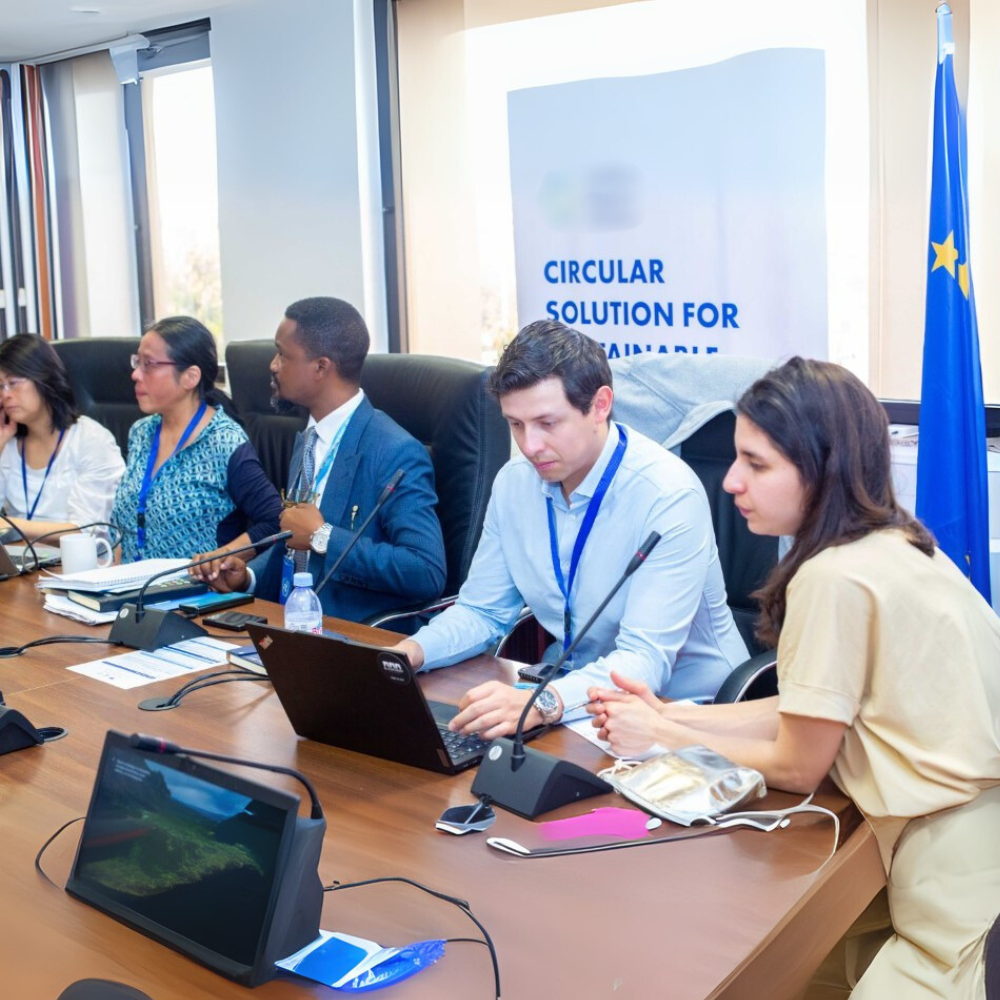
Green entrepreneurship in 2025 is not just about invention. It is execution inside real policy and market rules. In 2025, those rules are getting clearer, and the ventures that align with them will grow faster.
Clean-energy investment is projected to reach 2.2 trillion dollars this year out of a record 3.3 trillion for the entire energy sector, roughly double fossil fuel spending. That is the demand signal founders have been waiting for. (Source: Reuters)
At the same time, total climate finance flows hit 1.9 trillion dollars in 2023, while the world still needs at least 6.3 trillion per year through 2030. Ventures that can prove outcomes will capture this gap. (Source: CPI)
And the workforce is moving. Renewable energy jobs rose from 13.7 million in 2022 to 16.2 million in 2023, expanding the talent base for build-out and services that support it. (Source: IRENA)
- Green entrepreneurship in 2025 is not about chasing ESG sentiment – it is about building inside verified regulatory demand. With $2.2 trillion in clean energy investment projected this year, the policy framework has never been clearer.
- EU packaging rules (PPWR) enter the application phase in August 2026, battery passport mandates arrive in February 2027, and sustainability reporting simplification creates lightweight compliance tools as a priority market.
- Founders who align their products with compliance needs – traceability tools, recyclability validation, reporting infrastructure – will find procurement unlocked and capital de-risked.
- A $4.4 trillion annual climate finance gap through 2030 remains unfilled – ventures that demonstrate measurable, auditable outcomes will capture this demand.
| $2.2T
Projected clean energy investment globally in 2025 – out of record $3.3T total energy spend Source: IEA via Reuters, 2025 |
$6.3T
Annual climate finance needed through 2030 vs $1.9T currently deployed (gap: $4.4T/yr) Source: Climate Policy Initiative, 2023 |
16.2M Renewable energy jobs globally in 2023, up from 13.7M in 2022 – expanding the talent base Source: IRENA, 2024 |
The Regulatory Shifts Founders Must Design for Green Entrepreneurship in 2025
-
Packaging and packaging waste in the EU

The new EU Packaging and Packaging Waste Regulation (PPWR) is in force, with application phases starting in August 2026. For founders, this means design, recycled content, reuse, and that data will be audited rather than guidance. Source: EUR-LexEuropean Packaging.
Opportunity for ventures
Tools that help product teams meet PPWR requirements and produce audit-ready evidence. Services that validate recyclability claims and streamline reporting.
-
Batteries and the digital passport
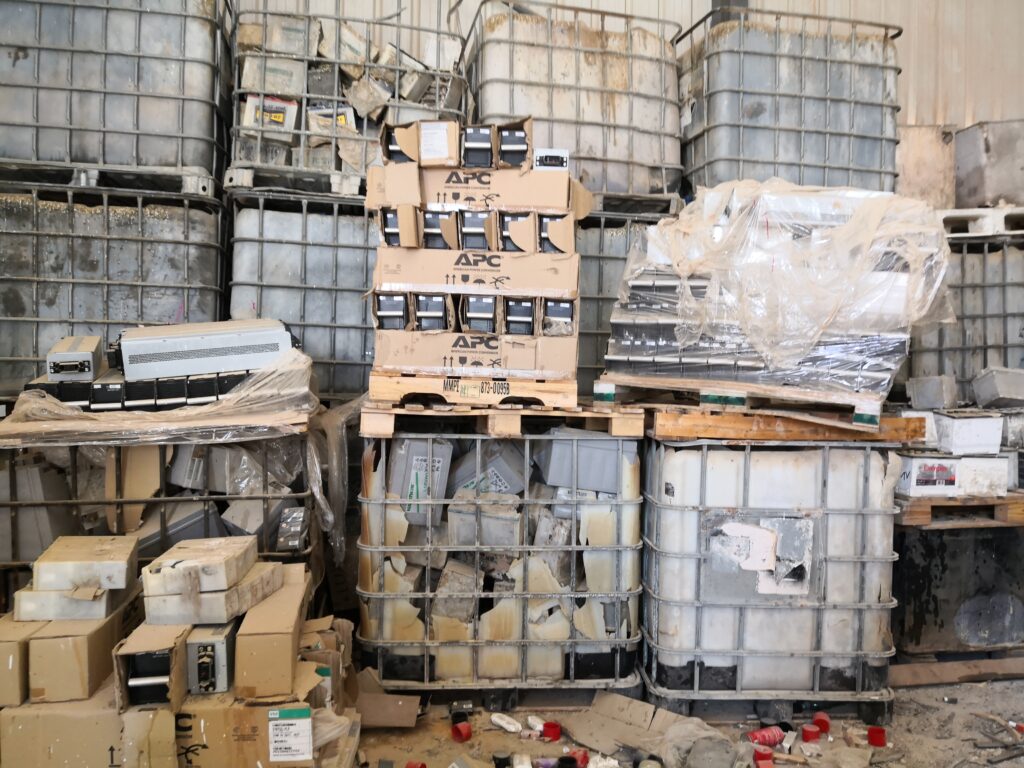
EU Regulation 2023/1542 sets sustainability and traceability rules across the battery life cycle. A digital battery passport becomes mandatory from 18 February 2027 for key battery categories, enabling authorities and buyers to see the origin, composition, carbon data, and state of health. Source: EUR-LexThe Battery Pass.
Opportunity for ventures
Data systems that capture the ongoing operations and their required log fields at the point of action, plus integration services for manufacturers and recyclers that must comply by 2027.
-
Corporate reporting is being simplified, not removed
The European Commission’s 2025 simplification package adjusts sustainability reporting to reduce burdens, especially for SMEs. This is a chance to align reporting with what customers and regulators use, not to pause it. Source: Finance.
Opportunity for ventures
Lightweight reporting and evidence tools that map simplified requirements and to buyer due diligence needs.
Where To Focus If Green Entrepreneurship Is Your Thing?

-
Compliance that unlocks sales
Make it easy for customers to meet PPWR or battery-passport rules as they adopt your product. Provide proof out of the box.
-
Circular site services with a payback clock
Offer interventions that reduce disposal and emissions while improving operating costs. Publish the KPI stack that proves it.
-
Data that de-risks capital
Capture verifiable metrics that funders and authorities require. If your product generates reliable evidence, procurement moves faster.
Workforce Facilitation
Sixteen million renewable jobs mean thousands of sites need training, checklists, and vendor networks. Packaging know-how and standards that can be replicated.
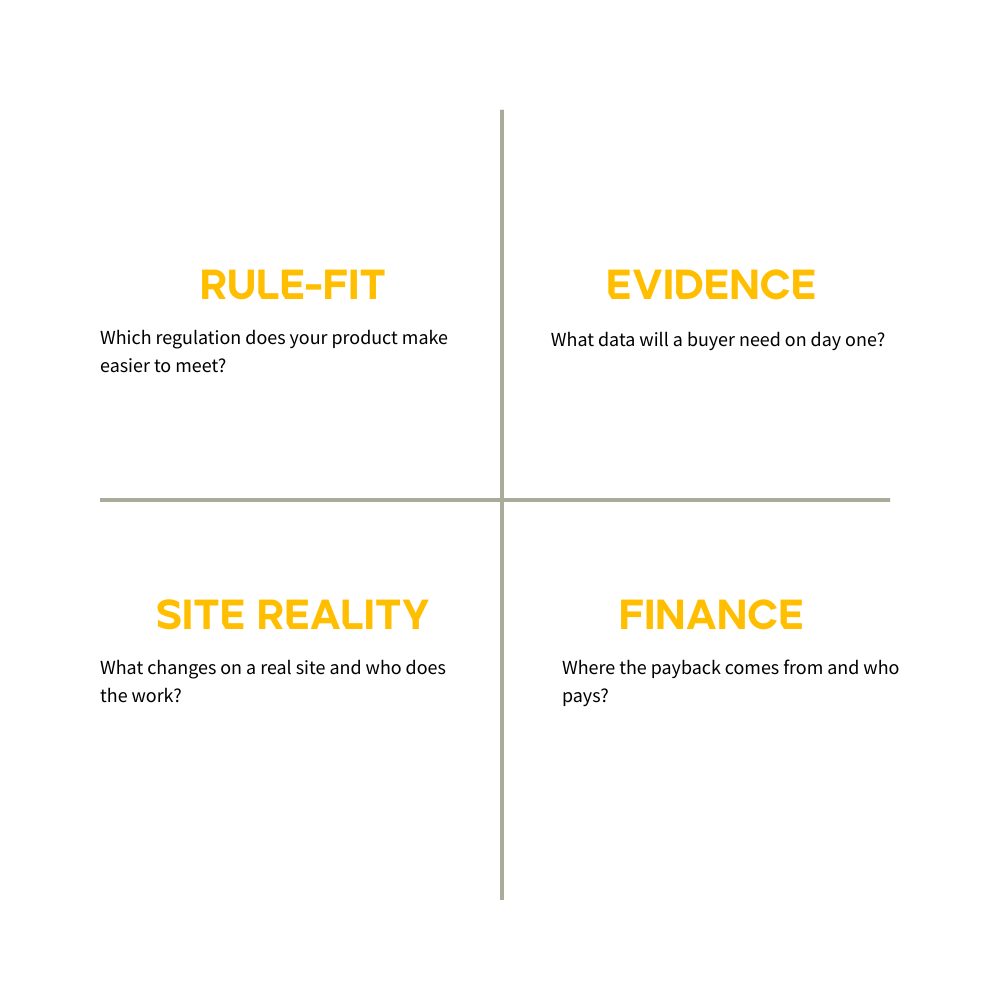
A Simple Canvas To Pressure-Test Your Idea
Use this four-box check before you pitch or pilot.

RainbowForest Solutions backs teams turning environmental goals into working ventures. We help founders and partners connect policy fit, site operations, and finance so pilots become systems.
If you are building in this space, partner with us. Reach out to us via this form.
Explore who we are and how we work, here.
FAQs: Green Entrepreneurship & EU Regulations in 2025
Q1. Is green entrepreneurship financially viable in 2025?
Yes – with clean-energy investment projected at $2.2 trillion and a $4.4 trillion annual gap in climate finance, ventures that produce verifiable environmental outcomes are positioned to capture significant institutional and commercial demand.
Q2. What is the EU PPWR and why does it matter for green startups?
The EU Packaging and Packaging Waste Regulation (PPWR) mandates recycled content, reuse targets, and audit-ready recyclability data – creating direct demand for tools that help product teams comply and report from August 2026 onwards.
Q3. What is the EU digital battery passport and when does it become mandatory?
It is a digital record containing origin, composition, carbon footprint, and state-of-health data for batteries – mandatory from 18 February 2027 for key battery categories under EU Regulation 2023/1542, creating data infrastructure demand today.
Q4. How does sustainability reporting simplification affect green businesses in 2025?
The EU Commission’s 2025 Omnibus package reduces reporting burdens for SMEs – but does not eliminate them – making lightweight, audit-aligned reporting tools more valuable than ever for companies navigating buyer due-diligence requirements.
Q5. Why do EU regulations matter to founders building outside Europe?
EU rules like PPWR and the Battery Regulation set the global product and data standards that international suppliers must meet to retain EU market access – effectively exporting compliance requirements to any company in the supply chain.
Q6. What types of green ventures are best positioned to attract capital in 2025?
Ventures that generate audit-grade, verifiable data – proving regulatory compliance, emissions reductions, or material recovery rates – de-risk procurement decisions and satisfy the evidence standards institutional funders now require.
Q7. How should a green entrepreneur pressure-test their business idea in 2025?
Validate four factors before pitching: a live regulatory or market signal that creates the problem, a defined customer who must solve it, a scalable operational model, and a credible data layer that proves outcomes to funders and regulators alike.