

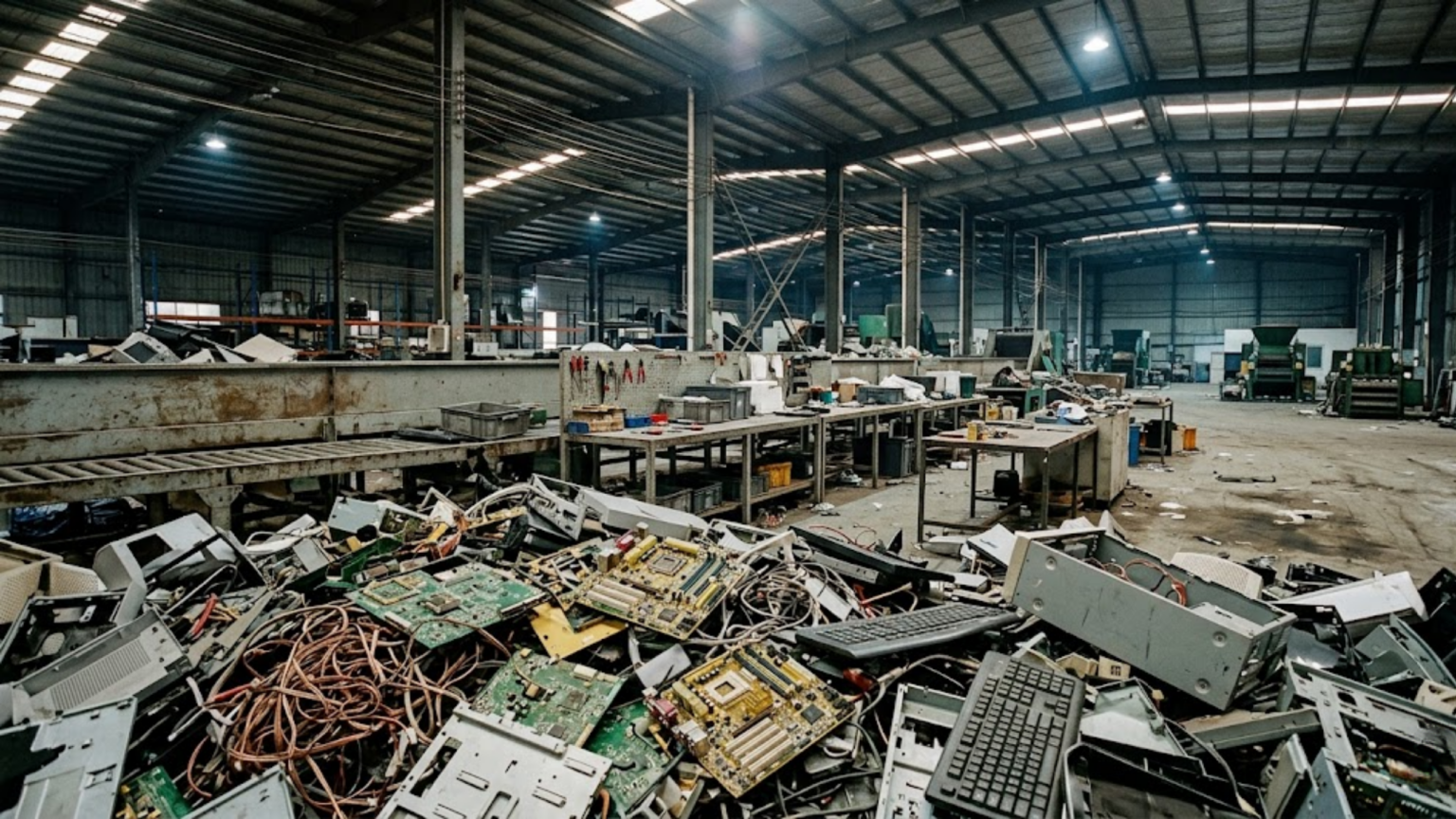
Two environmental crises are running at the same time. The world treats them as separate problems. They are not.
Hazardous Waste Management and EPR Compliance: Why Industrial Companies Need to Solve Both
The first is what to do with the hazardous material that already exists. Mercury in aging oil installations. PFAS in airport firefighting foam. Chemical stockpiles at industrial sites with no certified domestic disposal route and no clear path to compliance.
This is the crisis of legacy. The accumulated consequence of decades of industrial activity that happened before the regulatory frameworks caught up.
The Basel Convention on the Control of Transboundary Movements of Hazardous Wastes has been ratified by 190 countries and establishes strict protocols for cross-border waste movement and disposal. The Minamata Convention tightened mercury obligations at its sixth Conference of the Parties in November 2025. The Hong Kong Convention entered into force in 2025, making hazardous material inventories on ships and offshore installations a legal requirement rather than a recommendation.
These frameworks are in force. The treatment infrastructure is not keeping up. Very few facilities globally are certified to accept PFAS-contaminated streams. Domestic disposal options in most markets are thin. The global hazardous waste management market is valued at $49.33 billion in 2025, growing at a compound annual rate of 2.8% through 2033, driven by tightening regulatory enforcement and rising industrial waste volumes (Market Research Future, 2026).
What extended producer responsibility (EPR) compliance fails to address in emerging markets
The second crisis is systemic. It is about building the infrastructure that stops new waste from becoming a future problem. Extended producer responsibility (EPR) systems hold brand owners accountable for the packaging and electronics they place on the market. Digital traceability makes it possible to verify a product was recycled, not just collected. Producer Responsibility Organisations (PROs) operate EPR systems on the ground, not just advise on designing them.
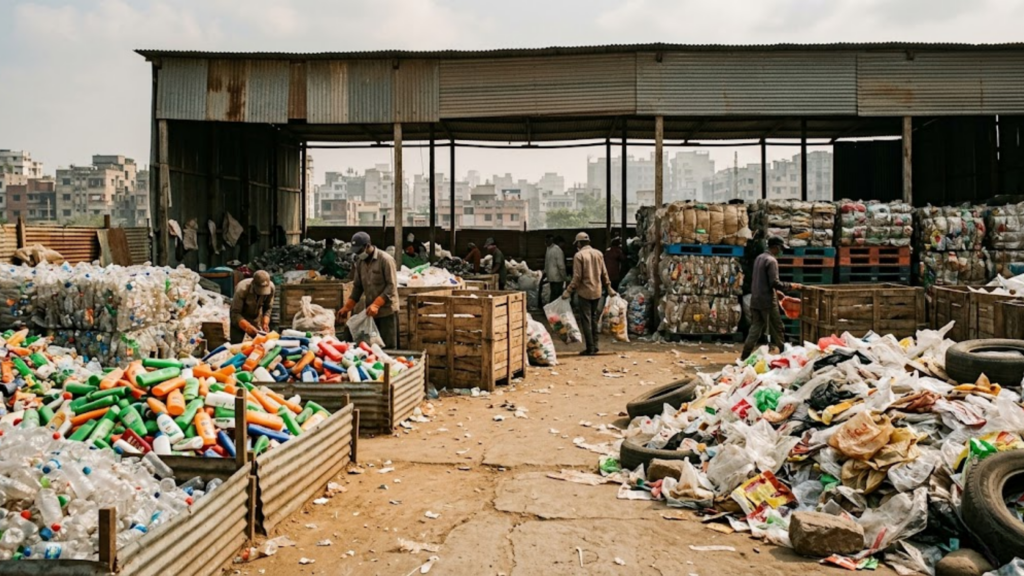
EPR legislation is expanding fast. India has implemented EPR rules for plastic packaging, e-waste, batteries, and tyres. Kenya’s EPR regulations came into force in February 2026. Brazil’s National Solid Waste Policy is advancing new mandatory schemes. Chile, South Africa, the UAE, and the Philippines have all enacted or are actively developing EPR frameworks.
But legislation and implementation are not the same thing. In most emerging markets, EPR exists on paper and fails in practice. The enforcement machinery is thin. The collection infrastructure is not built. The digital traceability systems do not exist. Producers operating in these markets face a compliance obligation with no reliable system to meet it.
Why do most organisations only solve one environmental problem?
Most organisations address one side.
Large environmental engineering firms like AFRY, Ramboll, or Wood handle the legacy side: remediation, compliance, hazardous material management. EPR consultancies and PRO operators handle the systemic side: producer registration, collection scheme design, circular economy infrastructure. Very few address both. Fewer still do so in the places where the gap is widest, emerging markets, where the regulatory framework is new, the infrastructure is thin, and the cost of getting it wrong falls on communities that cannot absorb it.
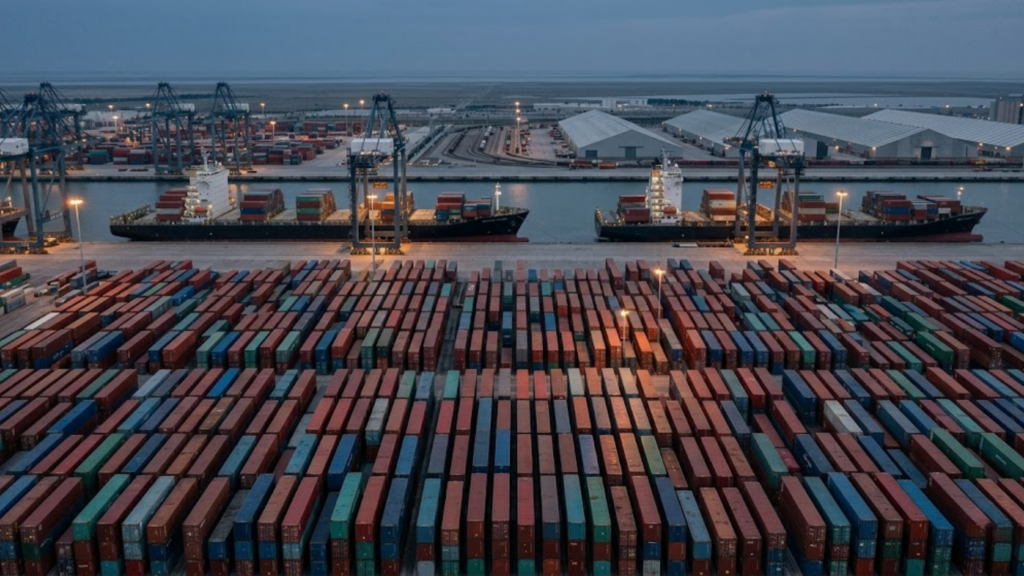
The result is vendor fragmentation. A multinational with operations in Vietnam, Kenya, and Germany faces hazardous waste obligations through one set of consultants and EPR obligations through another. Neither talks to the other. The compliance picture is incomplete by design.
Treating both challenges as connected, rather than as separate budget lines, is the difference between compliance ahead of enforcement and compliance after the fact.
The scale of both problems, and why they are growing
The hazardous waste and EPR compliance challenges are not static. They are compounding.
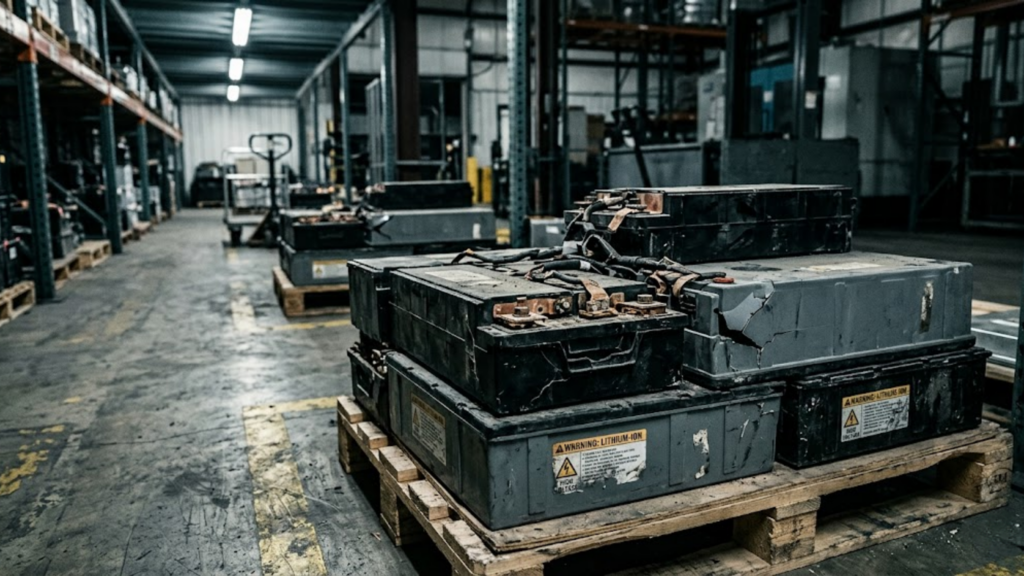
On the hazardous waste side: PFAS-containing materials and end-of-life battery systems are the fastest-growing waste categories, joining established streams of solvents, pharmaceutical waste, and contaminated soils. The EU’s Waste Shipment Regulation entered full force on 21 May 2026, introducing mandatory digital documentation through the DIWASS system for all cross-border waste movements. The EU Battery Regulation due diligence guidelines land in July 2026.
On the EPR side: the OECD reports that only 9% of plastic waste generated globally is currently recycled, with the gap concentrated in low- and middle-income countries (OECD Global Plastics Outlook, 2022). The EU’s Packaging and Packaging Waste Regulation applies from August 2026. Kenya’s EPR mandate, the Philippines’ Republic Act 11898, and India’s expanding EPR framework are all active.
The regulatory pressure is not building toward a future cliff edge. It is already here.
How does RainbowForest Solutions address both, and where?
That is the space RainbowForest Solutions Group was built to occupy.
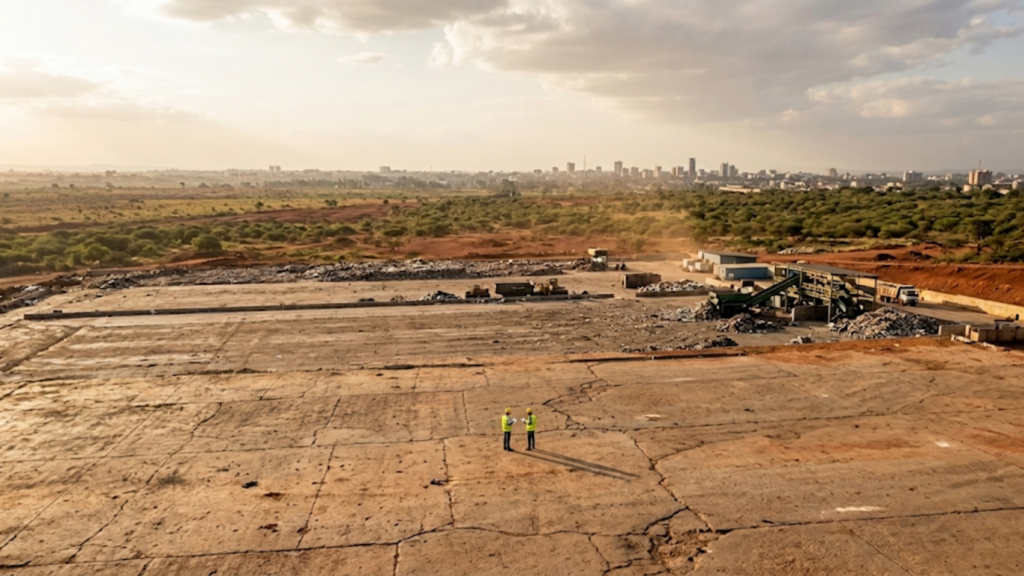
BlackForest Solutions manages the hazardous waste legacy: technical advisory through to Basel Convention-compliant cross-border export. GreenForest Solutions builds and operates EPR infrastructure in Zambia, India, Kenya, Bhutan, Togo, and beyond.
One group. Two problems. 60 + countries. The same mission.
The environmental challenge has always been a legacy problem and a systems problem at the same time. It requires clean-up and redesign together. RainbowForest Solutions was built on the conviction that addressing only one side is not enough and that emerging markets deserve the same quality of environmental solutions as Europe and North America, not just what the Global North has tried and discarded.
That is the work. We are still early.
RainbowForest Solutions Group is a Berlin-based environmental solutions group. The group includes BlackForest Solutions (hazardous waste management and Basel Convention compliance), GreenForest Solutions (EPR systems and digital circular economy), and TransFrontier Shipments (cross-border hazardous waste logistics).